Your best source on industries and services news from the DRC

Provided by AGP

Got News to Share?

AGP Executive Report

Your go-to archive of top headlines, summarized for quick and easy reading.

Note: These AI-generated summaries are based on news headlines, with neutral sources weighted more heavily to reduce bias.

Ebola Escalation: A rare new Ebola sub-strain is now believed to have jumped from fruit bats to humans, as Congo reports 204+ deaths and about 870 infections and WHO upgrades the risk from “high” to “very high.” Containment Under Strain: Health teams say the outbreak may have been spreading for months before detection, with suspected cases surging since the WHO emergency call. DRC Response Moves: Congo has suspended South Kivu gold and coltan mining in Mwenga and Shabunda for three months to curb illicit trade, while aid groups warn the crisis is “gaining momentum.” Cross-Border Pressure: Nigeria’s immigration service insists its land borders are “not porous” and require documents and health certificates. World Cup Fallout: The U.S. is tightening entry rules tied to the outbreak, and DR Congo’s squad faces a 21-day isolation requirement before entering the U.S., even as experts say fan risk remains very low. Other Headlines: Dhaka hits an AQI of 111 (8th worst globally).
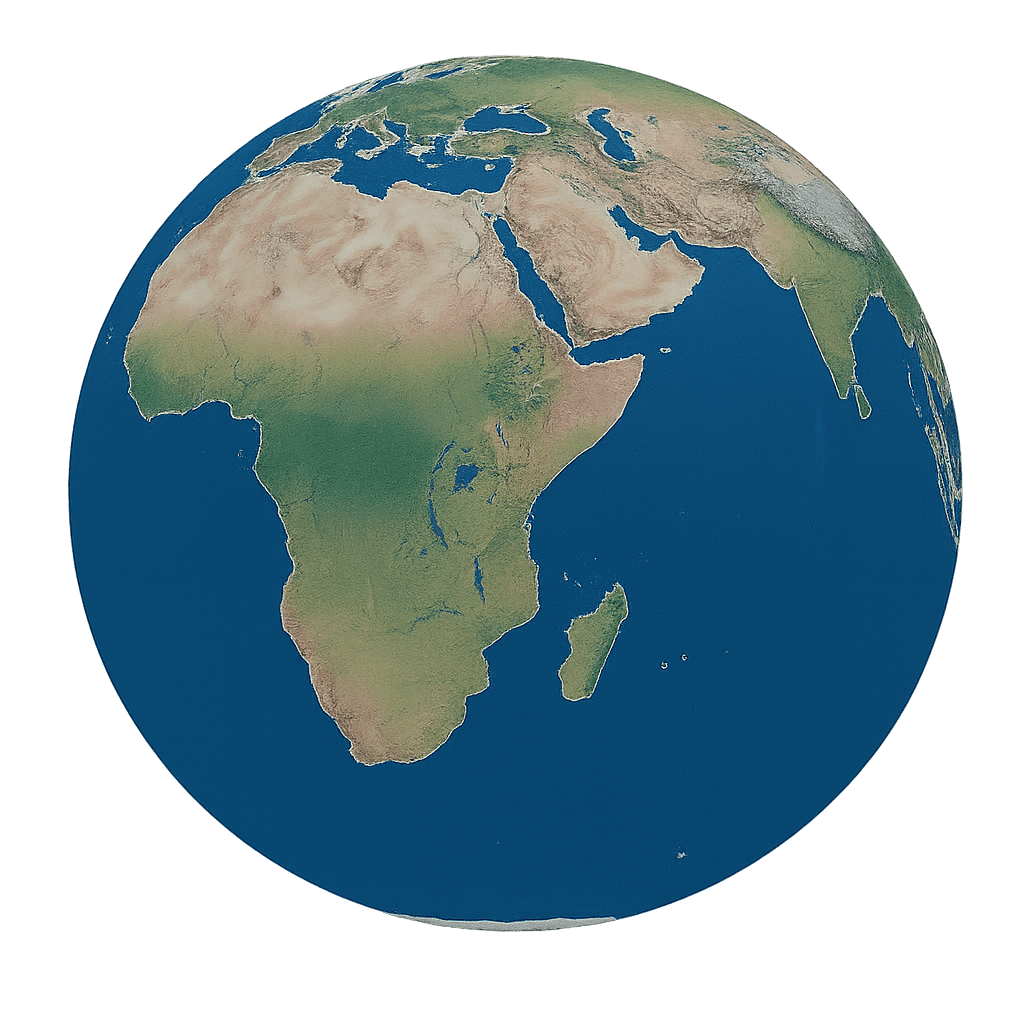
Ebola Escalation: WHO upgraded the Congo outbreak risk to “very high” as scientists say the Bundibugyo strain likely jumped from animals to humans for the first time, with the virus spreading beyond early hotspots and responders struggling to track contacts fast enough. Border & Travel Pressure: Nigeria’s immigration service insists its land borders are manned and monitored, while the U.S. tightened entry rules tied to Ebola exposure—and DR Congo’s World Cup build-up is getting hit hard, with players facing a 21-day isolation requirement before entering the U.S. DRC Security & Health Capacity: In rebel-influenced areas, insecurity and displacement are complicating containment, and aid groups warn the situation is “gaining momentum” amid shortages. Mining Crackdown: DR Congo ordered a suspension of mining activities in parts of the gold belt, targeting foreign-backed operators and pushing for tighter traceability. Health & Public Response: Congo curbed funeral gatherings to slow spread, as communities grapple with fear and misinformation. Other Signals: Dhaka’s air quality hit an AQI of 111, while Kinshasa and the region remain under multiple overlapping pressures.

Ebola Escalation: A new genomic analysis says the Bundibugyo Ebola strain behind the eastern DRC outbreak recently jumped from animals to humans, as WHO upgraded the risk to “very high” and warned the virus may have been spreading for about two months; suspected cases have surged to roughly 750 with 177 suspected deaths, and the lack of a vaccine or targeted treatment keeps containment fragile. Conflict-Crippled Response: In rebel-held areas, insecurity, displacement, and mistrust are slowing contact tracing and care, while aid groups say the situation is “gaining momentum” and treatment capacity may not keep up. World Cup Fallout: DR Congo’s squad faces a 21-day isolation rule before entering the US, forcing training disruptions and adding travel uncertainty even as FIFA says it’s monitoring. Mining Crackdown: Kinshasa ordered a suspension of mining in parts of the gold belt, targeting foreign-backed operators amid concerns about illicit flows fueling instability.

Ebola Crackdown in Ituri: Congo has banned funeral wakes and gatherings of more than 50 as WHO upgraded the outbreak risk to “very high,” with 82 confirmed cases and seven deaths but far more suspected (750 cases, 177 suspected deaths) and no vaccine for the Bundibugyo strain. Aid Under Strain: WFP is scaling up emergency response in eastern DRC, warning the outbreak could tip an already severe food crisis into a wider humanitarian emergency, while treatment centers have been seen empty and supplies are still racing in. Conflict-Driven Spread: Armed insecurity, displacement, and cross-border movement are making contact tracing and surveillance harder, and WHO says “patient zero” hasn’t been found. Regional Ripple Effects: India and the African Union postponed the India-Africa Forum Summit, and DR Congo’s World Cup preparations took a hit as travel and health restrictions tighten—though experts say the risk to casual World Cup fans remains low.

Ebola Emergency Escalates: WFP is rapidly scaling up emergency support in eastern DRC to stop a fast-moving Ebola outbreak from turning into a wider humanitarian catastrophe, warning that insecurity, displacement and cross-border movement are making the race against time harder. Treatment Under Strain: Health workers and aid groups say they still lack supplies and staff, with a rare Bundibugyo strain driving the outbreak and no approved vaccine or targeted medicine available. Regional Spread Fears: WHO says the “scale and speed” are deeply concerning as cases reach major cities and Uganda reports infections, while a treatment center was set alight amid mounting panic. World Cup Fallout: The risk to fans is judged very low, but DR Congo’s preparations are disrupted and U.S. entry rules are tightening, adding logistics headaches. Diplomacy Hits Pause: India and the African Union postponed their summit in New Delhi as the health situation worsened. Aid and Politics: Coverage repeatedly points to response gaps linked to reduced U.S. involvement, while UN and partners push to close operational shortfalls.

Ebola Escalation in Eastern DRC: The WHO has declared the DRC’s Bundibugyo Ebola outbreak an international emergency, after weeks of spread went largely unnoticed—fuelled by insecurity, difficult access, and early confusion as communities treated it like a “mystical illness.” Aid Under Strain: UN agencies say they’ve rushed supplies and set up an air bridge to Bunia, but healthcare workers and aid groups warn the situation is “gaining momentum,” with no vaccine or medicine for this strain and shortages of protective gear and isolation space. Cross-Border Alarm: Uganda has reported cases in Kampala, and WHO says “patient zero” hasn’t been found, while figures keep shifting as testing expands. Regional Disruption: The outbreak is already derailing major plans—DR Congo cancelled part of its 2026 World Cup preparations, and India–African Union summit talks were postponed due to the evolving health situation. Politics and Pressure: U.S. officials and WHO leaders traded blame over detection delays, as experts point to weakened U.S. involvement and surveillance gaps.

Ebola Alarm Escalates in Eastern DRC: Aid groups and frontline health workers say the rare Bundibugyo Ebola outbreak is “gaining momentum,” with Congo reporting about 139 suspected deaths and nearly 600 suspected cases—and no vaccine or treatment available for this strain. Security Threats Complicate Response: Armed groups are still active, and M23 reported a confirmed case near Bukavu (South Kivu), expanding the geography beyond Ituri and North Kivu. WHO Pushes for Faster, Bigger Action: WHO leaders warn about the “scale and speed” of spread, noting weeks of delayed detection and “significant uncertainty” over how far it has reached. Cross-Border Pressure Mounts: Uganda has confirmed cases, and the India–Africa Forum Summit was postponed as the health situation worsens. Aid and Logistics Strain: Even with airlifted supplies, workers report shortages of protective gear and isolation space, leaving care in general wards while treatment capacity races to catch up.

Ebola Alarm Escalates in Eastern DRC: WHO chief Tedros says the outbreak’s “scale and speed” is deeply concerning as Congo reports at least 134 suspected deaths and 500+ suspected cases, with the rare Bundibugyo strain spreading after weeks of undetected transmission and no approved vaccine or treatment. Frontline Strain: Health workers in Bunia and Ituri say they’re underprotected and undertrained, with shortages of masks and disinfectants and armed groups disrupting tracing and access. Urban Spread Fears: Cases are showing up beyond remote zones, including Bunia, Goma, and Kampala, raising the risk of wider regional spread. Response Push: WHO is deploying experts and supplies, while Congo prepares more treatment capacity and investigators still haven’t found “patient zero.” Cross-Border Containment: The US has tightened entry rules for travelers from the affected countries, and aid groups warn the conflict-driven displacement is making containment harder. Funding Moves: South Africa pledged $2.5 million via Africa CDC to support the DRC and Uganda response.

Ebola Alarm Escalates: WHO chief Tedros Adhanom Ghebreyesus says the Bundibugyo Ebola outbreak in eastern DRC is spreading with “scale and speed” concerns, as the DRC health ministry reports at least 131 deaths and 513 suspected cases (with “patient zero” still not identified). Response Under Strain: WHO says it’s intensifying support—deploying experts, sending supplies fast, and pushing surveillance, infection control, clinical care, and community engagement—while conflict and displacement are making contact tracing and testing harder. Cross-Border Pressure: Cases are reported in urban areas including Bunia, Goma, and Kampala, and the US has imposed travel restrictions on arrivals from DRC, Uganda, and South Sudan. Funding & Science Mobilize: South Africa pledged $2.5m via Africa CDC’s Epidemics Fund, and leading scientists are coordinating an urgent cross-border push, even as there’s still no approved vaccine or treatment for this strain. Human Cost Beyond Health: Aid groups warn the outbreak is hitting communities already exhausted by war and collapsing services.

Ebola Alarm Escalates: WHO chief Tedros Adhanom Ghebreyesus says he’s “deeply concerned” about the “scale and speed” of Congo’s Bundibugyo Ebola outbreak after the death toll rose to 134 and suspected cases topped 500 in eastern DRC, with urban spread signals and health-worker deaths adding urgency. No Vaccine, Fast Spread: The rare strain has no approved medicines or vaccines, and officials say the virus likely circulated undetected for weeks because early testing targeted the wrong Ebola type. Cross-Border Pressure: WHO has declared the outbreak a public health emergency of international concern as Uganda reports cases and population movement complicates tracing. US Response Tightens: An American doctor tested positive, prompting quarantine and evacuation plans and renewed travel scrutiny. Aid Under Strain: Aid groups warn the outbreak is hitting communities already battered by conflict, displacement, and limited access to care.

Ebola Surge in Congo: The WHO chief is openly alarmed by the “scale and speed” of a rare Bundibugyo Ebola outbreak in eastern DR Congo, where the health ministry now reports 131 deaths and 500+ suspected cases (with investigations still sorting which deaths are truly linked). Cross-Border Spread: The outbreak has already reached Uganda’s Kampala, raising fears it could move further beyond the region. Treatment Push: Congo is rushing to expand care, including plans to open more Ebola treatment centers in Ituri as hospitals strain under rising demand. No Vaccine, No Margin: Health officials stress there are no approved vaccines or medicines for this strain, and early testing delays—linked to the wrong Ebola strain being checked—helped the virus spread before alarms were raised. US Response: An American doctor has tested positive, and the CDC is moving exposed Americans out for monitoring, while other countries like Macau step up screenings. Geopolitics Watch: Amid the health crisis, Russia’s nuclear push into Rwanda is also in the news, underscoring how DR Congo’s instability keeps pulling global attention in multiple directions.

Ebola Response Escalates: DR Congo is opening three new Ebola treatment centers in Ituri (Bunia, plus two other sites) as the WHO treats the Bundibugyo strain as a public health emergency of international concern; deaths are now over 118 with more than 300 suspected cases in Ituri and North Kivu, and Uganda has reported linked cases. Cross-Border Pressure: Health teams are racing to expand surveillance after the virus spread undetected for weeks, including into rebel-held areas and major hubs like Goma. No Vaccine, Fast Spread: Officials say early tests missed the right strain, leading to false negatives and lost response time—while there are still no approved vaccines or treatments for Bundibugyo. US Fallout: The CDC is coordinating the safe withdrawal of exposed Americans, and President Trump says he’s “concerned” after an American doctor (Peter Stafford) was confirmed among new cases. Operational Lessons: Earlier missteps—testing calibrated for the wrong strain and delays in getting samples processed—are now driving the rush to “catch up” with a dangerous pathogen.

Ebola Response Accelerates in Ituri: DR Congo’s health minister says three Ebola treatment centers will open across eastern Ituri as the WHO flags the outbreak as a public health emergency of international concern—driven by the rare Bundibugyo strain, with no approved vaccines or treatments and hospitals already under strain. Why This Outbreak Is Harder to Stop: Reuters reports early detection was delayed by funeral practices, lab tests calibrated for the wrong strain, and mishandled samples—helping the virus spread into rebel-held areas and beyond. Cross-Border Spillover: Cases have been confirmed in Uganda’s Kampala and in Congo’s major cities including Kinshasa and Goma, while WHO warns the real scale may be larger than reported. Global Pressure Points: Foreigners potentially exposed are being evacuated, and experts warn infectious disease outbreaks are becoming more frequent and damaging amid conflict and weak preparedness.

Ebola Emergency Escalates: The WHO has declared the Congo–Uganda Ebola outbreak a Public Health Emergency of International Concern after deaths climbed to 87 and suspected cases topped 300, with the rare Bundibugyo strain now linked to confirmed cases reaching Kinshasa and Uganda’s Kampala—raising fears it’s spreading beyond the original Ituri hotspot. No Vaccine, Harder Fight: Health officials stress this variant has no approved vaccine or targeted treatment, so response relies on screening, contact tracing, and supportive care while uncertainty remains about the true scale. Containment Under Strain: The outbreak appears to have circulated undetected for weeks, fueled by mining-area movement, conflict, and weak access—prompting urgent aid shipments and border-area surveillance. DRC Politics & Minerals: Separate coverage highlights how Washington’s minerals push and Congo’s leadership ambitions are reshaping incentives in the east, even as the health crisis demands coordination.

Global Health Alert: The WHO has declared the Ebola outbreak in eastern DRC and neighboring Uganda a public health emergency of international concern, after reports of 336 suspected cases and 88 deaths, plus a confirmed case detected in Kinshasa—about 1,000 km from Ituri—raising fears the virus is spreading beyond the epicenter. Hard-to-Stop Variant: Health officials say the outbreak is driven by the rare Bundibugyo strain, with no approved vaccine or therapeutics, and only limited lab-confirmed counts so far amid major uncertainty. Cross-Border Pressure: Uganda has confirmed cases linked to travel from Congo, and the WHO is urging countries not to close borders while scaling surveillance and response. On-the-Ground Reality: The outbreak began in Mongwalu, a high-traffic mining area, then moved through Bunia and Rwampara as people sought care—complicating containment in a conflict-affected region.

Global Health Emergency: WHO has declared the DRC–Uganda Ebola outbreak a “public health emergency of international concern,” citing active community transmission and warning that land-border neighbors face high risk of further spread—while stopping short of calling it a pandemic. Death Toll: Africa CDC says deaths in eastern Ituri have climbed to 87, driven by the Bundibugyo strain, for which there is no strain-specific vaccine. Cross-Border Spread: Uganda confirmed an imported case in Kampala, and WHO says people linked to suspected infections should not travel. Where It’s Hitting: The outbreak is centered on Mongwalu, Rwampara and Bunia, with health teams racing to intensify screening and contact tracing amid mining-linked movement and insecurity.

Public Health Emergency: Africa CDC confirmed a new Ebola outbreak in eastern DR Congo’s Ituri province and called an urgent regional meeting with DR Congo, Uganda and South Sudan. Latest Toll & Spread: The agency reports about 246 suspected cases and 65 deaths, mainly in Mongwalu and Rwampara, with suspected cases also flagged in Bunia; DR Congo’s ministry says community deaths may push the figure to 80 while official counts are still being validated. Lab Findings: Preliminary tests found Ebola in 13 of 20 samples, with sequencing ongoing and early signs pointing to a non-Zaire strain—raising concerns because many existing vaccines and treatments were built for Zaire. Cross-Border Alarm: Uganda confirmed an “imported” fatal case in a Congolese man in Kampala, and contacts have been quarantined. Response Pressure: Teams are being deployed as insecurity, displacement, and mining-linked movement make containment harder.

Ebola Emergency Escalates: DR Congo has confirmed a fresh Ebola outbreak in remote Ituri province, with 80 deaths reported by the health ministry and 246 suspected cases; Africa CDC says preliminary lab results detected Ebola in 13 of 20 samples, with four deaths among lab-confirmed cases, and it’s convening an urgent cross-border meeting with Uganda and South Sudan to tighten surveillance and response. Strain Uncertainty: Early findings point to a non-Zaire strain, which could complicate use of tools built for the Zaire variant while sequencing continues. Cross-Border Spillover Risk: Uganda has reported one “imported” case in a Congolese man who died in Kampala, and Africa CDC flags heightened spread risk from mining-linked mobility, insecurity, and urban exposure around Bunia. Humanitarian Pressure Mounts: Separate reporting highlights DRC’s hunger crisis, with needs outpacing aid as conflict and displacement deepen.

Ebola Emergency: Africa CDC has confirmed a fresh Ebola outbreak in eastern DRC’s Ituri province, with 246 suspected cases and 65 deaths so far, concentrated in Mongwalu and Rwampara and with additional suspected cases reported in Bunia; preliminary lab results detected the virus in 13 of 20 samples, and officials are flagging a possible non-Zaire strain, which could complicate response tools. Cross-Border Push: Africa CDC is convening an urgent meeting with DRC, Uganda, and South Sudan and partners to tighten surveillance, preparedness, and response as mining-linked mobility raises spread risk. Humanitarian Pressure: At the same time, FAO/WFP warn hunger is worsening—26.5 million people in the DRC need urgent food help, with conflict provinces like North Kivu, South Kivu, Ituri, and Tanganyika hit hardest. Security Fallout: In the background, fighting and drone strikes continue to disrupt access and stability across eastern provinces, adding strain to outbreak containment.

Mining Momentum: A DRC mining executive says the country is in a “particularly exciting time,” with faster mineral exports and visible construction and logistics upgrades under President Félix Tshisekedi’s second term, as investor focus sharpens on Kinshasa and Lubumbashi. Humanitarian Pressure: The WFP/FAO warn hunger is worsening in parallel—26.5 million people need food help, including 3.6 million in emergency conditions, driven by conflict, displacement, and high prices. Regional Deals & Energy: Uganda and the DRC signed six new bilateral agreements, while also moving toward joint oil exploitation in the Albertine Graben—raising the stakes for infrastructure, security, and cross-border trade. China Links: The DRC’s PM praised Chinese-backed infrastructure, including Kinshasa’s ring road, as a connectivity boost. Conflict Flashpoints: Fresh fighting between Wazalendo militias and M23 is reported in South Kivu’s Ruzizi plain, keeping eastern instability front and center. Politics Watch: Tshisekedi reiterated that any constitutional change would require a referendum, drawing opposition criticism.

Sign up for:

DRC Industry Today

The daily local news briefing you can trust. Every day. Subscribe now.

By signing up, you agree to our Terms & Conditions.

Share us

on your social networks:

Sign up for:

DRC Industry Today

The daily local news briefing you can trust. Every day. Subscribe now.

By signing up, you agree to our Terms & Conditions.